
Aphids on roses? Don’t panic!
Anyone who grows roses in the garden knows the moment when you suddenly spot tiny insects on young shoots or flower buds. These are often aphids, small sap-sucking insects that may cause some concern at first, but are actually part of a healthy garden ecosystem. In this blog, you’ll learn what aphids are, how to recognize them, and why it's usually best to simply leave them be.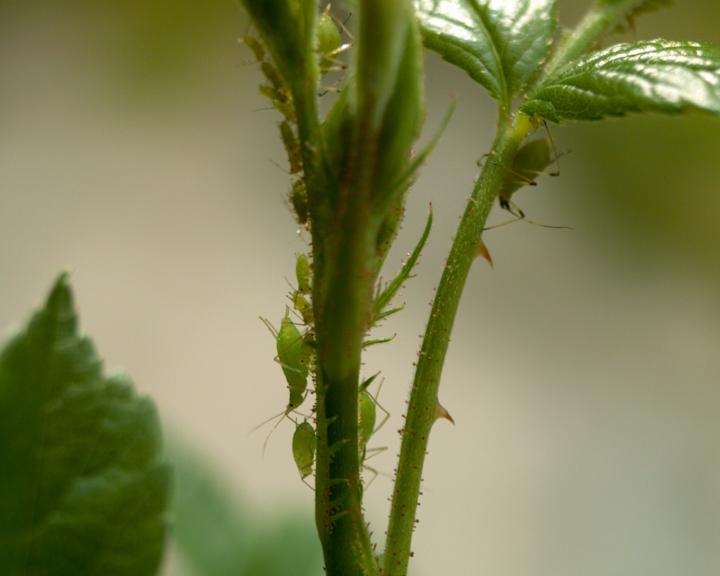
What are aphids?
Aphids are small sap-sucking insects that feed on plant juices. They come in a wide range of colors: green, black, yellow, pink, white, or mottled. The most well-known are the green aphid and the black bean aphid. In Europe, there are over 500 species. While some specialize in a single type of plant, others can be found on a wide variety of plants, from ornamentals and vegetables to fruit trees and houseplants.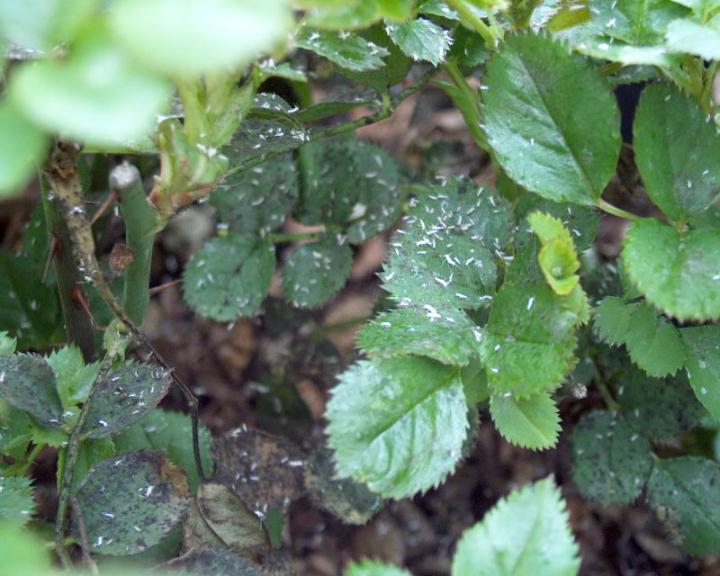
On roses, aphids often colonize the tender young tips and flower buds, or hide underneath the leaves.
How do you recognize aphids?
Typical signs of aphid presence include :
- Clusters of tiny insects on shoots or underneath leaves
- Curled or distorted leaves
- Sticky honeydew (a sweet substance excreted by aphids) on the leaves, sometimes accompanied by black sooty mold
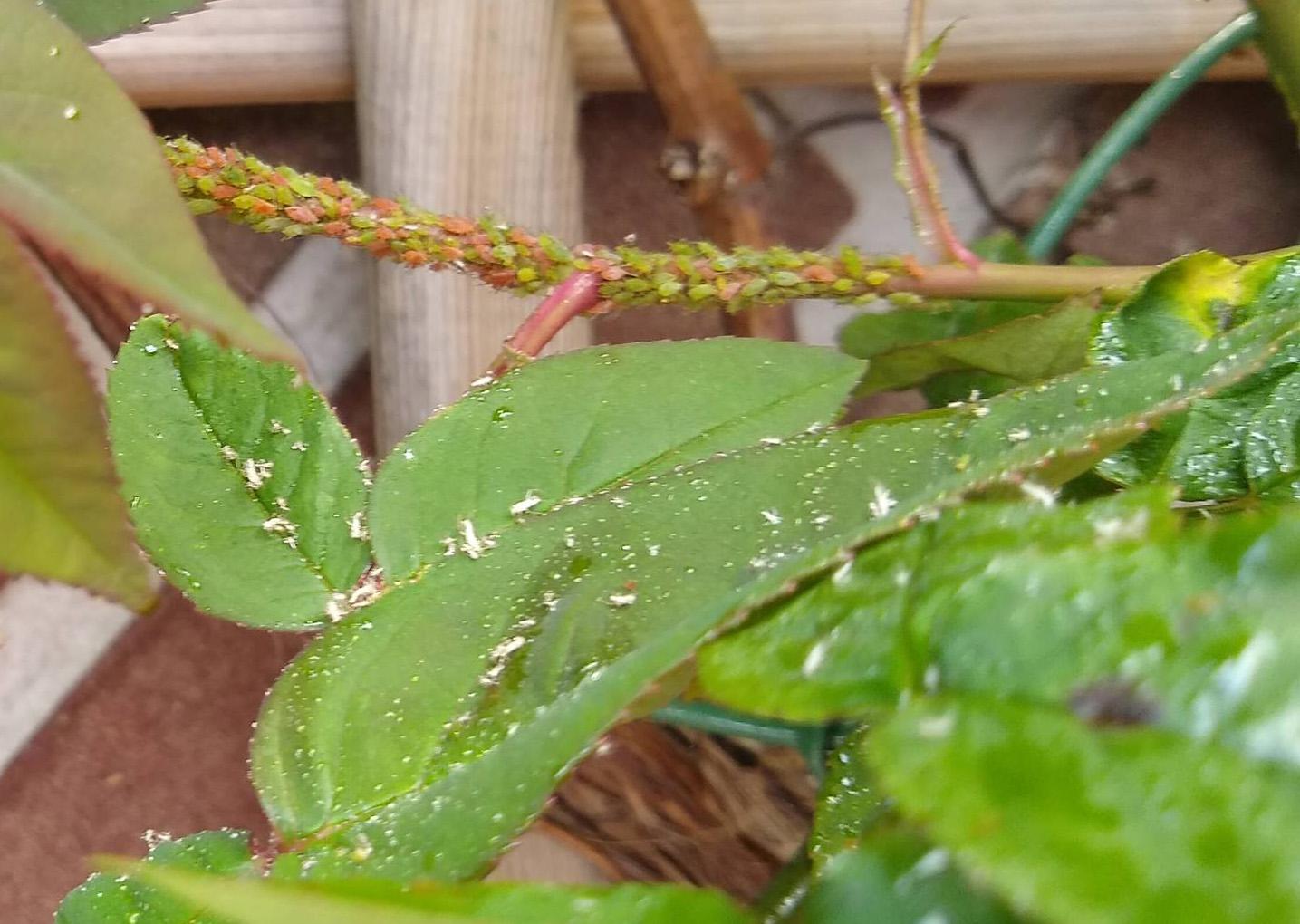
- Shed skins left on the leaves. Aphids molt several times during their life cycle.
- Ants hanging around the aphid colony (they "milk" the aphids for their honeydew and protect them from natural enemies)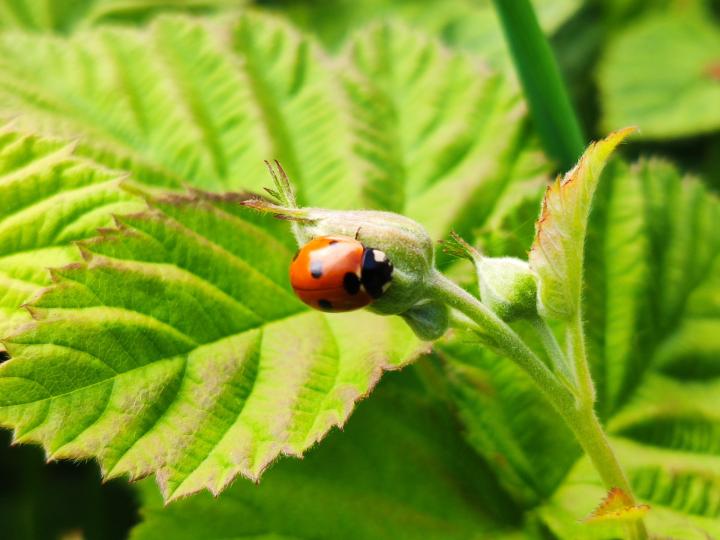
Should you control aphids?
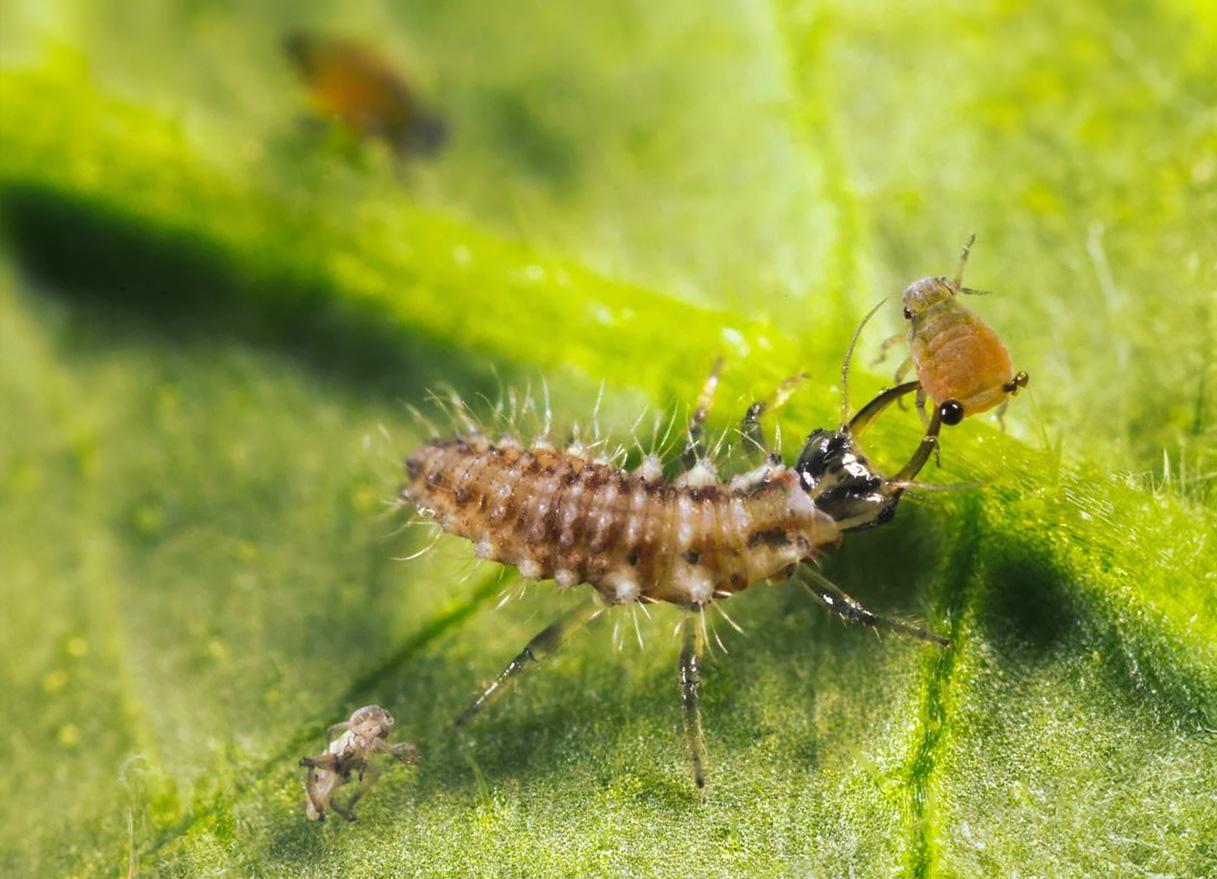
In most cases: no. Aphids are part of a healthy garden ecosystem. They are an important food source for many beneficial creatures such as ladybugs, hoverflies, parasitic wasps, earwigs, and birds like tits. By tolerating a certain number of aphids, you give these natural predators a chance to settle in and help maintain ecological balance in your garden.
Aphid infestations are often temporary. Healthy roses can easily cope with a bit of sap loss. Intervention is only necessary in cases of heavy infestation or when young, vulnerable plants are affected.
What can you do if you still want to intervene?
If you feel the aphid population is getting out of hand, choose environmentally friendly and sustainable solutions:
1. Encourage natural predators
Create a diverse, insect-friendly garden. Plant flowers like dill, fennel, marigold, and yarrow; hang up earwig shelters (for example, upside-down flower pots filled with straw); and avoid broad-spectrum insecticides that also kill beneficial insects.
2. Remove them manually
At the early stages of infestation, it’s often enough to spray the aphids off with water or remove them by hand. A water spray directed from underneath the leaves upward is most effective.
3. Use natural remedies
A nettle infusion (10% solution) or scent-disrupting extracts from garlic and onion can also be effective.
Neem oil (biodegradable) disrupts the aphids' life cycle.
4. Strengthen your roses
Avoid over-fertilizing, especially with nitrogen-rich products like blood meal, as this encourages tender new growth that attracts aphids. Give your roses a natural boost with
Algovital Plus, a seaweed-based extract that provides minerals, silicon, and trace elements, helping the plant become stronger and more resistant to pests like aphids.
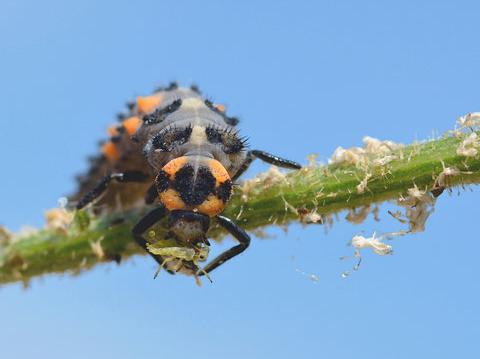
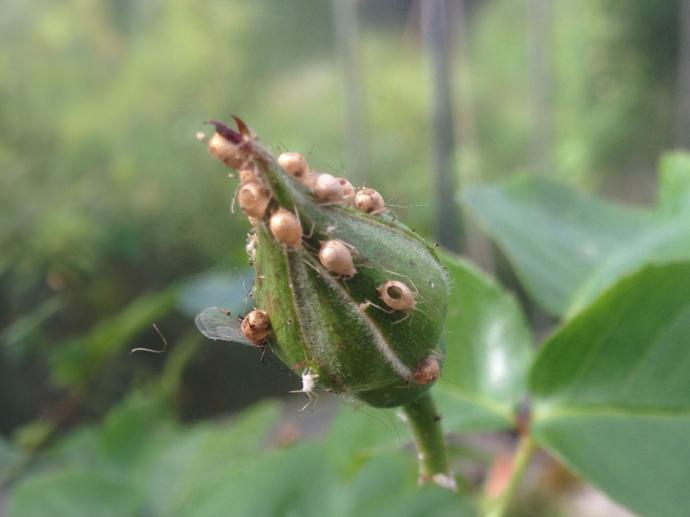
Left: Ladybug larvae devour aphids.
Right: Parasitized (and consequently dead) aphids.
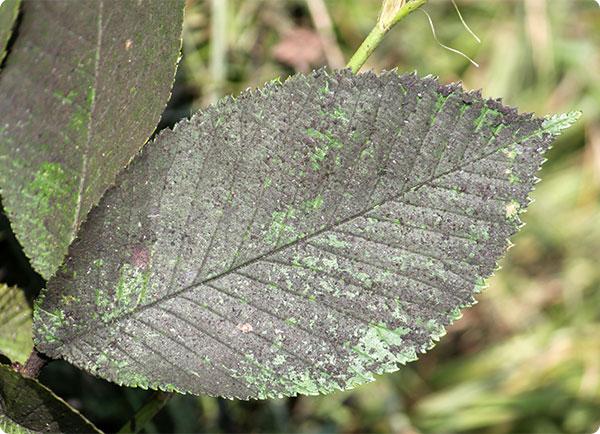
Left: Harmless sooty mold growing on honeydew secretions.
Right: Lacewing larva feeding on an aphid.
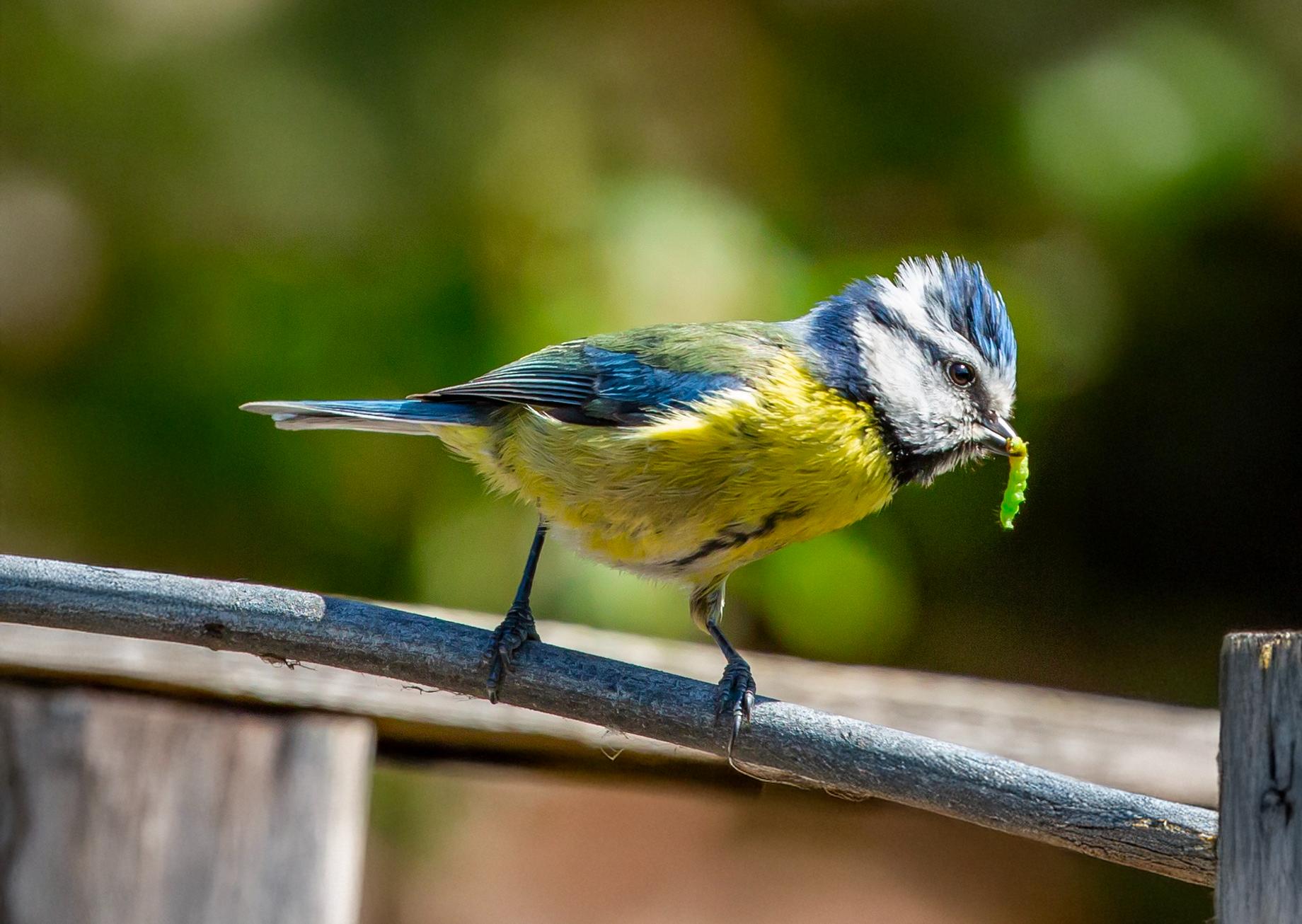
Left: Blue tits are light enough to catch aphids and caterpillars on the thinnest branches.
Right: White aphid moltings on a leaf, with green and pink aphids in the background.
In conclusion
Don’t be discouraged if you spot aphids on your plants. See it as a sign that your garden is alive, with room for the small creatures that quietly contribute to your plants’ well-being. By resisting the urge to reach for chemical solutions right away, you give nature the opportunity to do its work. And that, in the end, is the secret to a balanced, thriving rose garden.