

Aster dumosus 'Niobe'
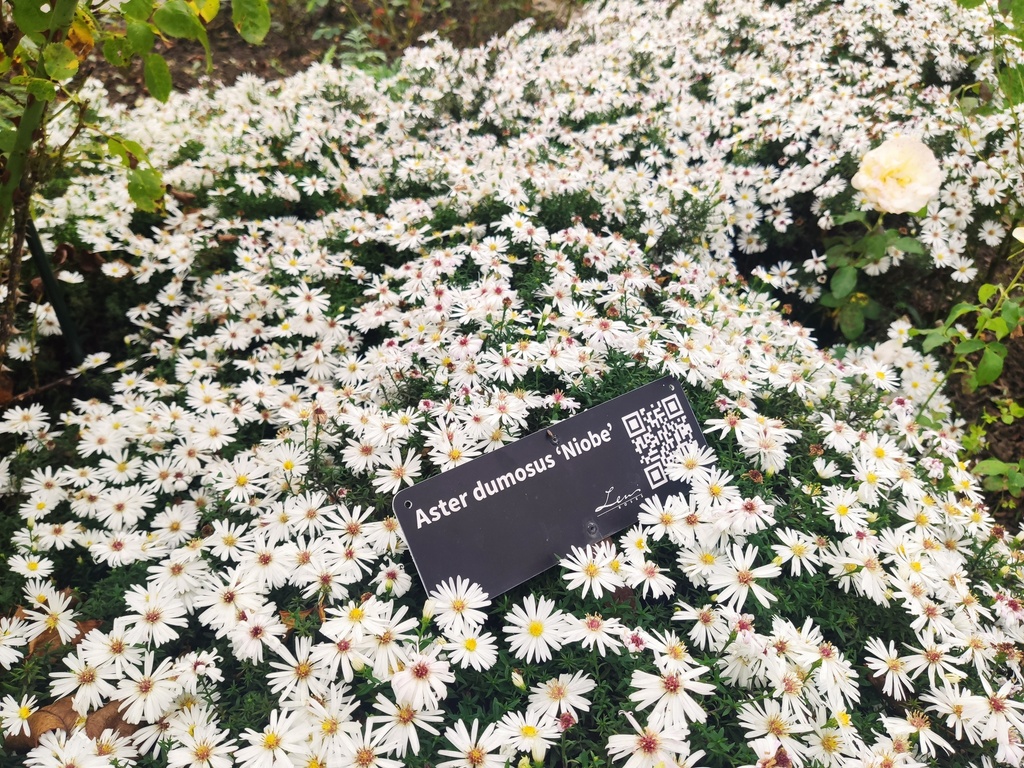
Aster dumosus 'Niobe' is a compact autumn aster with light lavender-purple flowers that appear almost white. This resilient perennial is highly attractive to bees and ideal for sunny borders.
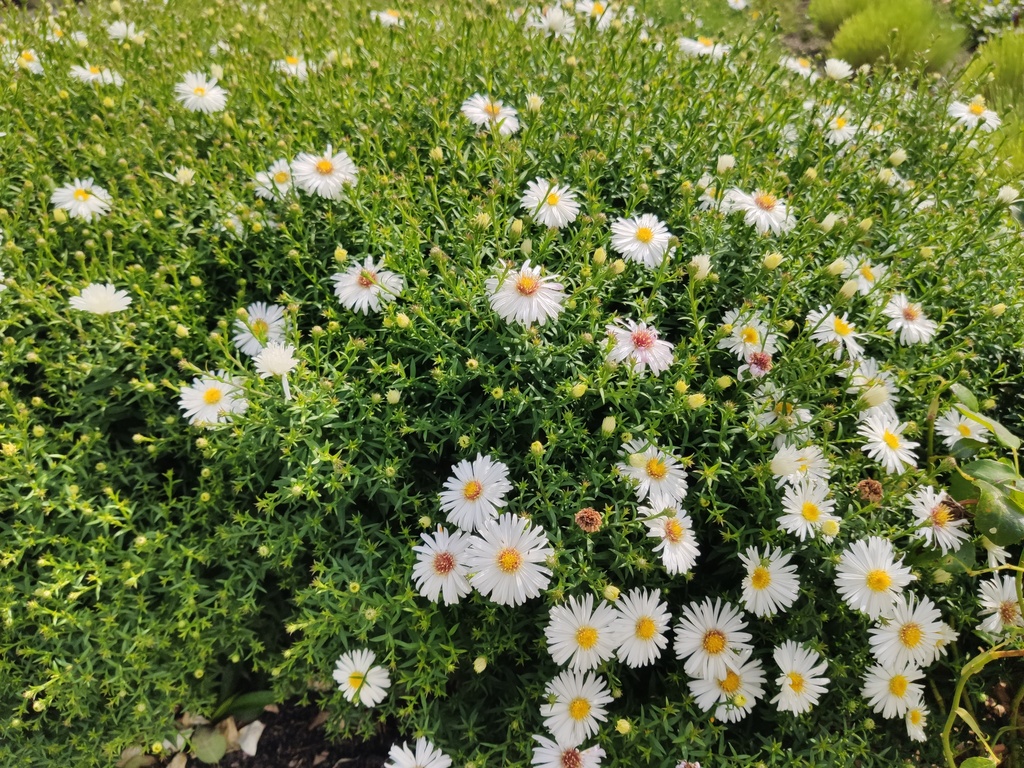
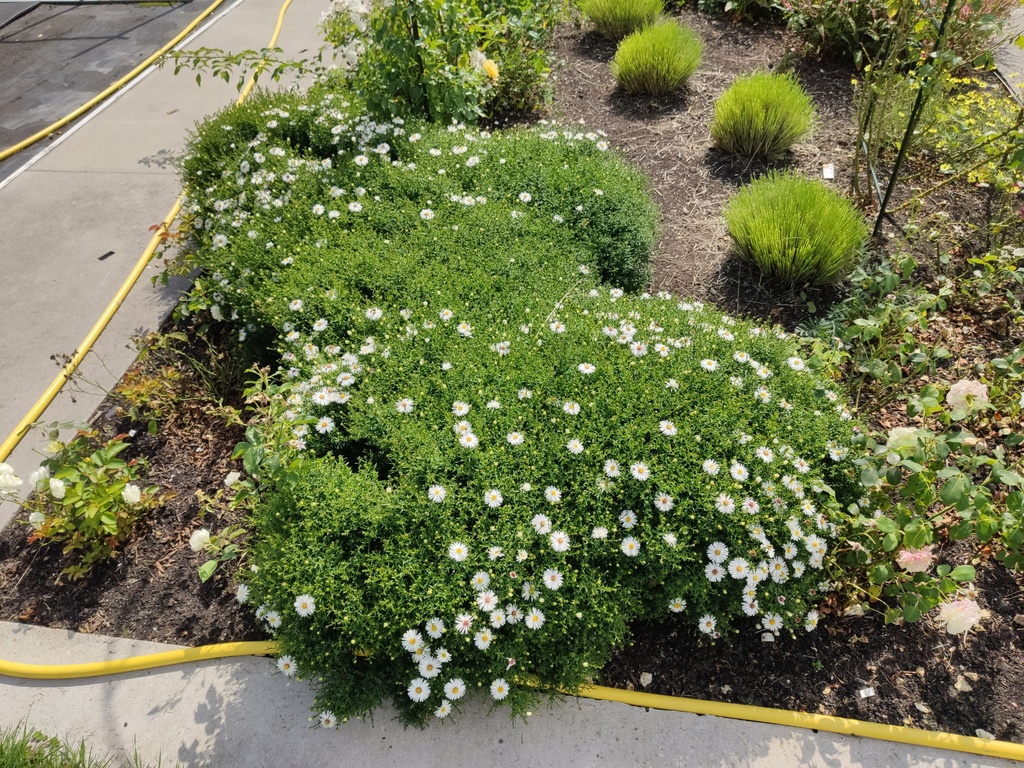
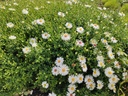
Aster dumosus 'Niobe', also known as cushion aster, forms a dense, rounded clump that reaches 30 to 40 cm in height. Its narrow, lance-shaped green leaves remain neat and attractive throughout the season.
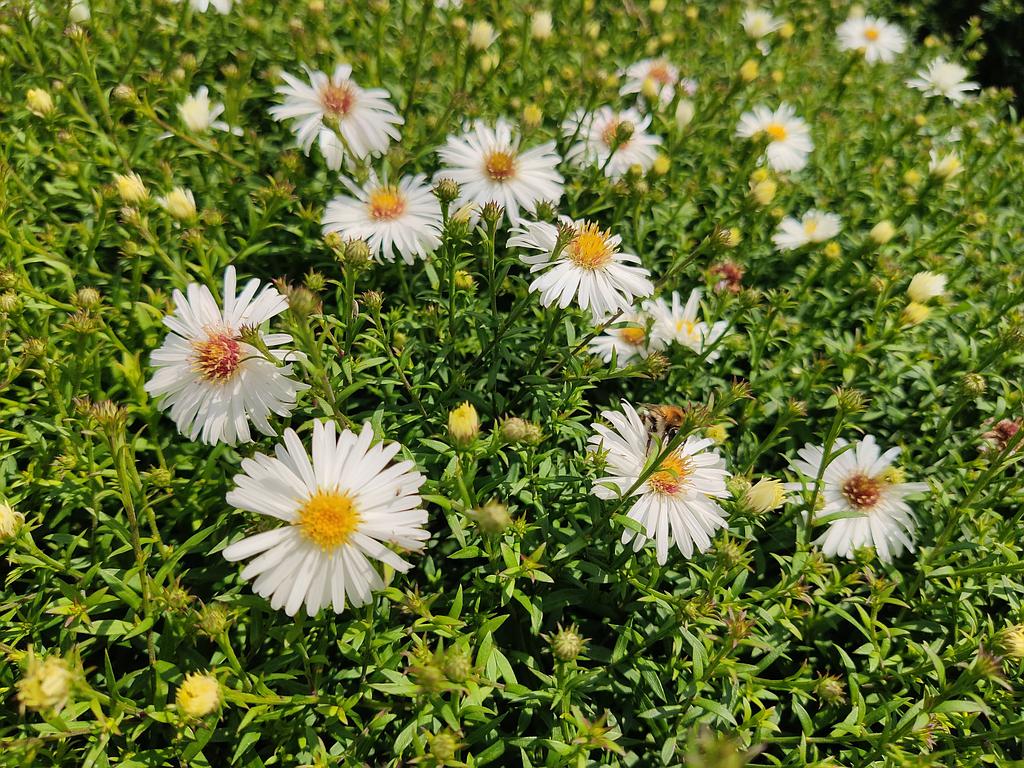
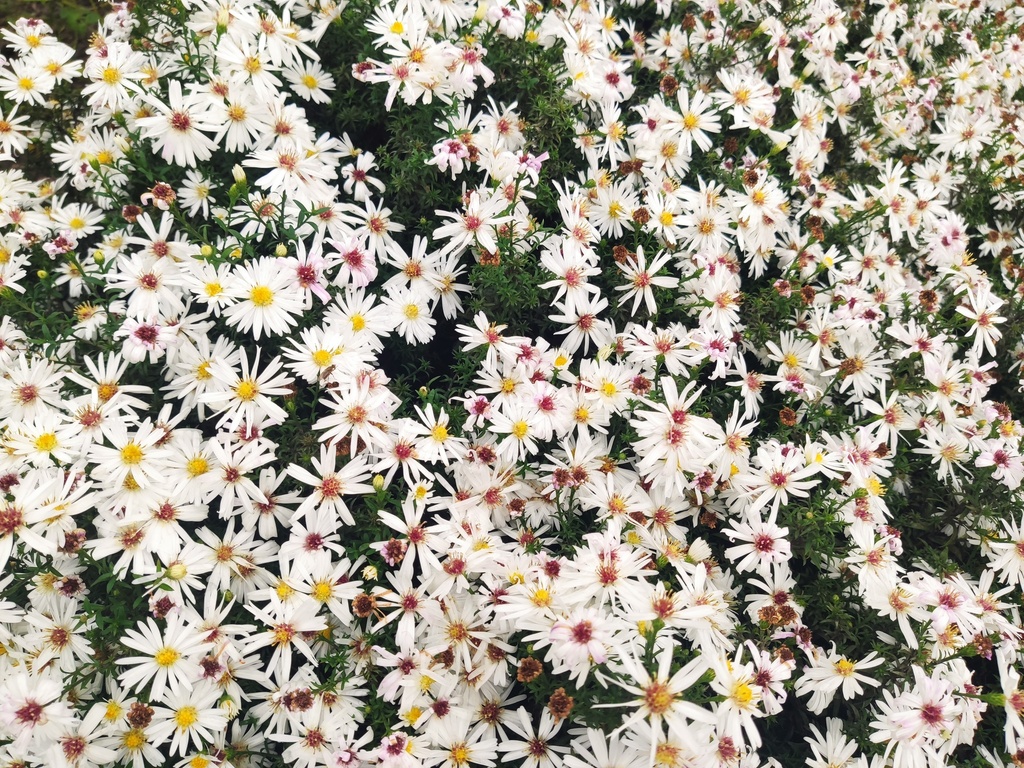
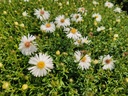
From September to October, 'Niobe' blooms abundantly with small, daisy-like flowers about 2 to 3 cm in diameter. The petals are a delicate light lavender-purple, often appearing nearly white in sunlight, and are complemented by a yellow central disc. This subtle coloration brings a soft, clean brightness to autumn plantings.
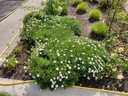
It thrives best in full sun and prefers a well-drained, humus-rich soil. While moderately drought-tolerant, occasional watering during dry spells supports optimal performance. Its tidy, compact habit makes it a great choice for the front of borders, rock gardens, or as ground cover in small spaces.
Maintenance is easy: cut back spent stems in early spring to encourage fresh growth. To maintain vigor and profuse flowering, divide the clump every three to four years.
Ecologically, 'Niobe' serves as a valuable late-season nectar source for bees and other pollinators, making it suitable for wildlife-friendly and naturalistic gardens.
Aster dumosus 'Niobe', also known as cushion aster, forms a dense, rounded clump that reaches 30 to 40 cm in height. Its narrow, lance-shaped green leaves remain neat and attractive throughout the season.
From September to October, 'Niobe' blooms abundantly with small, daisy-like flowers about 2 to 3 cm in diameter. The petals are a delicate light lavender-purple, often appearing nearly white in sunlight, and are complemented by a yellow central disc. This subtle coloration brings a soft, clean brightness to autumn plantings.
It thrives best in full sun and prefers a well-drained, humus-rich soil. While moderately drought-tolerant, occasional watering during dry spells supports optimal performance. Its tidy, compact habit makes it a great choice for the front of borders, rock gardens, or as ground cover in small spaces.
Maintenance is easy: cut back spent stems in early spring to encourage fresh growth. To maintain vigor and profuse flowering, divide the clump every three to four years.
Ecologically, 'Niobe' serves as a valuable late-season nectar source for bees and other pollinators, making it suitable for wildlife-friendly and naturalistic gardens.
Standard Roses
Our Selections
Recently viewed:
Order on our website, by mail or phone
We are happy to help you